There is a man outside Baenão who has been selling flags on the same corner for as long as I have been going. He knows the fixtures by heart, home and away, state championship and national league. He folds his stock into two canvas bags, sets up an hour and a half before kickoff, and by the time the ground empties he has made his week.
Around him the whole street works. The Re-Pa and the big home games are the good days, the days when the micro-economy around the club runs at full speed, and everyone from the shirt sellers to the tacacá pots is doing the same calculation: how many people through the gate, how hot the afternoon, how deep the away following.
the trades
The flag and scarf sellers work the approach roads. Their margins are thin and their stock is seasonal, blue when the run is good, dustier when it is not. The fake shirt sellers are cleverer, watching the transfer window and printing the new signing’s name before the club shop has the shirts in. There is an old joke in Marco that the camelôs get the squad list before the journalists do.
Then the food, which is the biggest trade of all. The açaí and tacacá and caldinho sellers I wrote about before are business owners in everything except paperwork. A good Saturday can carry a family through a slow week. The ones with fixed spots near the ground treat those spots like property, and the understanding about who stands where has been settled for decades.
There are quieter trades too. The men who sell water in the queues, the boys who watch cars for a fee, the printers who run off the last-minute banners, the taxi drivers who work the post-match routes. The club is the reason several hundred people in this neighbourhood eat well on a Monday.
the queue economy

Ticket queues are their own little industry. When a big game goes on sale, people take shifts in the line and the shift itself has a price. Somebody holds your place while you eat; you hold theirs while they call home. On the biggest days the queue is half social event, half marketplace, with the sellers working up and down it like a fish market.
I have watched the same families work these queues for three generations. The grandmother does the morning shift because she is the only one the police will not move along, the son takes the afternoon, and the money is counted at the kitchen table on Sunday night in cash.
The newer sellers run on technology in ways the old ones find funny. QR codes printed and taped to cardboard, a phone propped against a thermos, a paper notebook replaced by a spreadsheet on somebody’s daughter’s laptop. The flag man on the corner refuses all of it and takes cash only, and he does fine, because his regulars bring small notes on purpose.
Prices move through the whole street by agreement. When one seller raises the price of water, the others follow within a week, and nobody has to say anything out loud. It is a market that runs on observation and pride in equal measure.
how the money actually moves
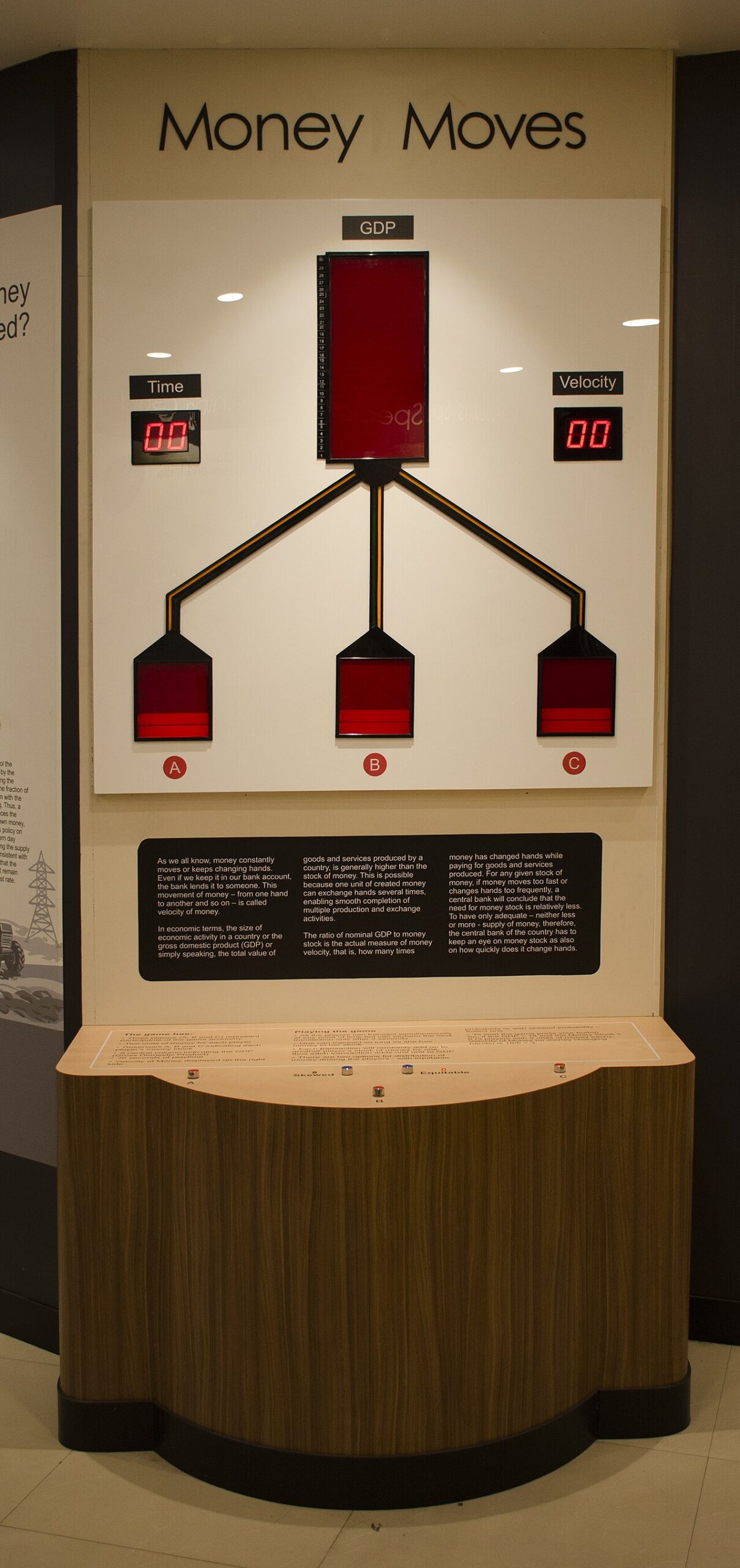
Which is the part I find most interesting now, being older and paying for things myself. Almost nobody in this economy gets paid the way people get paid in offices. It is cash in the hand, small notes and coins and change kept in a cloth bag, and increasingly it is a phone buzzing with a Pix transfer from somebody who does not want to carry notes through a crowd.
The sellers keep their books in their heads or in a notebook that would make an accountant cry. What has changed in the last few years is that taking money got simpler. A vendor can now accept a card payment on the same phone they use for Pix, with a reader that fits in an apron pocket and a settlement that lands in their account the same day. The queue moves faster and nobody walks away because they ran out of notes.
That matters more than it sounds. On matchday the difference between a good day and a great one is often just how many people could actually pay you.
Sunday night
The sellers count out after the game, in the same bars where the rest of us argue about the result. Their version of the match is financial: the gate, the away following, the weather at kickoff, whether the police closed the side street. They can tell you the attendance from their takings before the club publishes the number.
And they are supporters too, which outsiders forget. The flag seller on the corner is a Remo fan of the fiercest kind, and he has been known to stop trading when the Re-Pa gets tense, standing with the rest of us in front of the shop’s radio. The business runs on the football. The football is the point.
When the club does well, the whole street does well. That is what a club like this is for.


